
Fixed Prostheses (Crowns & Bridges)
Durable and aesthetic solutions with zirconia and porcelain restorations.
Fixed prostheses restore lost tooth structure or missing tooth spaces, providing both aesthetics and function. Teeth with extensive material loss can be restored with a crown, while missing tooth gaps may be completed with a bridge. Implant-supported fixed restorations are also among the available treatment options.
- Zirconia, porcelain-fused-to-metal, or full-ceramic options
- Excellent color harmony with natural teeth
- High durability and long lifespan
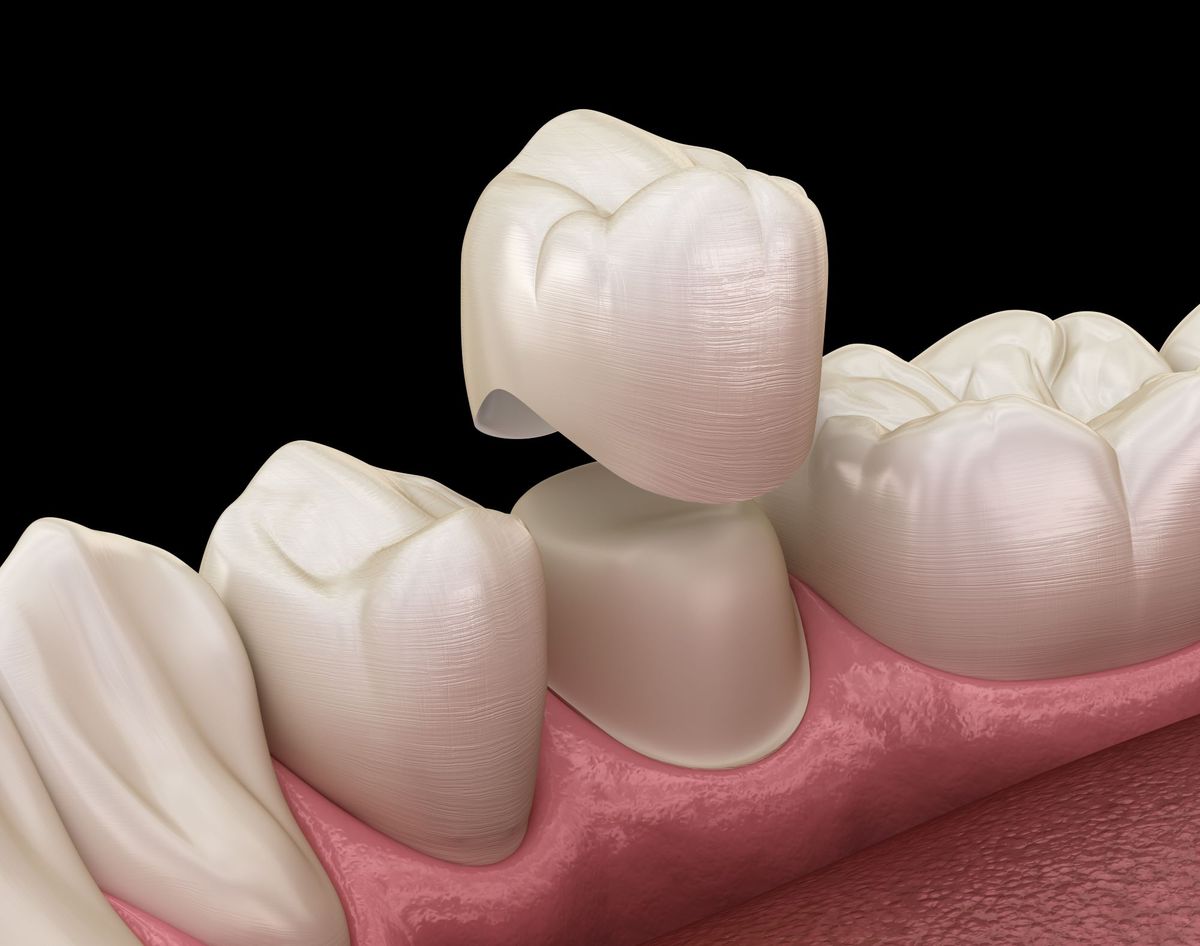
*Representative visual.
Who Is It Suitable For?
- Teeth with extensive structural loss
- Teeth with discoloration or shape irregularities
- Patients with single or multiple missing teeth
- Cases requiring implant-supported fixed restorations
Treatment Process
- Tooth preparation and impression taking
- Placement of temporary restoration
- Laboratory phase and fitting appointment
- Cementation of the final crown/bridge
Advantages
- Highly aesthetic results similar to natural teeth
- Long-lasting chewing function
- Durable and long-lasting restorations
Frequently Asked Questions
What is the difference between a crown and a bridge?
A crown is a restoration that covers a single tooth.
A bridge replaces one or more missing teeth by taking support from adjacent teeth.
How long do crowns/bridges last?
Their lifespan depends on oral hygiene, usage habits and regular check-ups.
With proper care, fixed prostheses can be used comfortably for 10 years or more.
Is the procedure painful?
Tooth preparation is performed under local anesthesia, so pain is not usually felt.
Mild sensitivity after treatment typically resolves quickly.
What is the difference between zirconia and porcelain-fused-to-metal?
Zirconia is a full-ceramic, highly aesthetic and biocompatible material.
Porcelain-fused-to-metal restorations are generally more economical and durable.