
Teeth Grinding (Bruxism)
Diagnosis and management of unconscious teeth grinding/clenching during sleep or daytime.
Bruxism may cause pain in the jaw muscles, morning headaches, wear on tooth surfaces and fractures in fillings or crowns. The main goals of treatment are to protect tooth structure, reduce muscle load and manage triggering factors.
- Night-time protective splint (night guard)
- Approaches aimed at reducing muscle activity
- Habit awareness and management of triggering factors
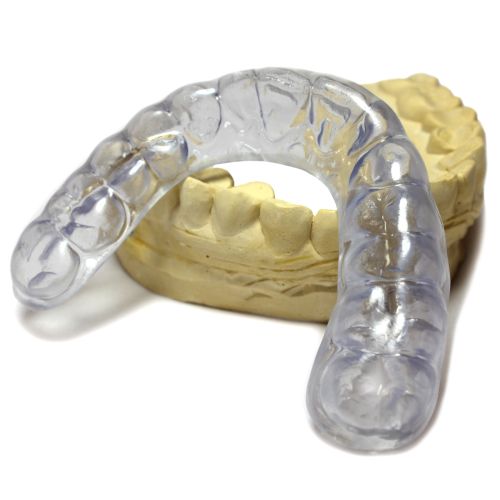
*Representative image. You may replace it with your own clinical visual.
Who Is It Suitable For?
- Those who wake up with jaw fatigue or morning headaches
- Patients with tooth wear, cracks or fractures
- Patients whose fillings/crowns frequently chip or break
- Individuals whose teeth grinding sounds are noticed during sleep
Treatment Process
- Clinical examination and assessment of tooth wear and jaw joints
- Design and impression for a custom night guard (splint)
- Delivery and adjustment (height/comfort)
- Follow-up: symptoms, wear pattern and splint checks
In selected cases, additional approaches to reduce jaw muscle activity and stress/habit management strategies may be added to the treatment plan.
Advantages
- Helps protect natural tooth structure and existing restorations
- Aims to reduce muscle-related pain and morning stiffness
- Supports maintaining comfortable chewing function
Frequently Asked Questions
How long should I wear the night guard?
You should wear it regularly for as long as your dentist recommends, together with
scheduled follow-up visits. At follow-ups, wear patterns and fit are assessed, and
adjustments are made if needed.
How should I clean the night guard?
Clean it gently with lukewarm water and a soft brush. Do not use hot water.
Special cleaning tablets can be used at regular intervals if recommended.
Can teeth grinding cause headaches?
Excessive activity in the jaw muscles may lead to morning headaches or temple pain.
Appropriate treatment and regular use of a night guard can help reduce these complaints.
Can bruxism completely disappear?
Since bruxism is related to habits and behavior, its complete resolution varies from person to person.
With protective splints and management of triggering factors, its effects can usually be brought under control.